Looking at the map of Bangladesh, anyone can see a piece of green velvet. This country of ours is one of the finest gardens on Earth. The green waves of the hills, the deep silence of the forests, the eternal flow of the rivers, and the infinite expanse of the sea—all together make this country look like a living canvas. Here, waterfalls cascade tearing through the heart of the mountains; here, the roar of the tiger echoes in the depths of the forest; and here, the crystal-clear blue waters of the haor hold a friendship with the sky. But today, a wrinkle of worry has appeared on the forehead of this heavenly beauty. Do we truly know what we have lost and what we are about to lose?
Those Faded Pictures of Our Fathers and Uncles vs. Our Colorful Ruins
Think back twenty or thirty years ago. When our fathers or elder uncles visited the deep forests of Lawachara or Satchari in Sylhet during their youth, cameras were practically non-existent. They might only have a few blurry, black-and-white photos. But the stories behind those pictures feel like fairy tales today.
They used to say that upon entering the forest, even during the daytime, the relentless chirping of crickets made it hard to hear anything else. The sunlight, blocked by the dense leaves of the trees, could barely touch the ground. Standing by the roadside and peering into the darkness of the deep forest would strike fear. And today? We go there with dazzling DSLR cameras, taking all kinds of colorful drone shots, but do we find that ‘depth’? Lawachara is now just a fragmented piece of a garden. The serenity of Satchari has now faded away under the loud laughter of tourists and the honking of jeeps.
That Vanishing Pulse of Life
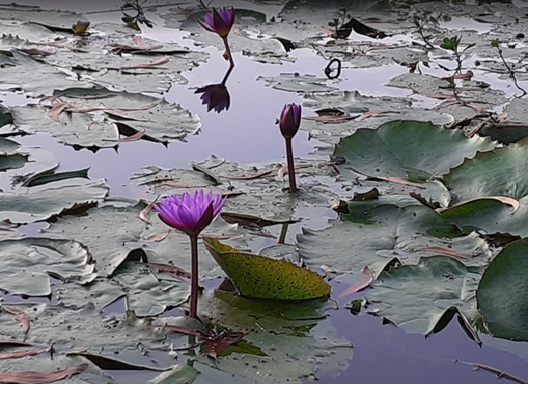
We go to Madhabkunda to see the waterfall, but do we find that old freshness there anymore? The blue lotuses of Madhabpur Lake are now suffocating, buried under plastic bottles. The blue waters of Birishiri have turned into a garbage dump due to the negligence of tourists.
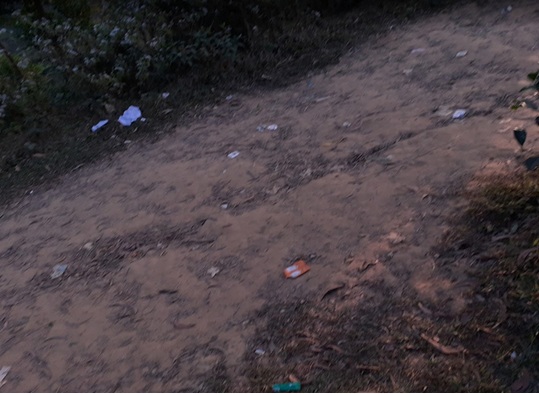
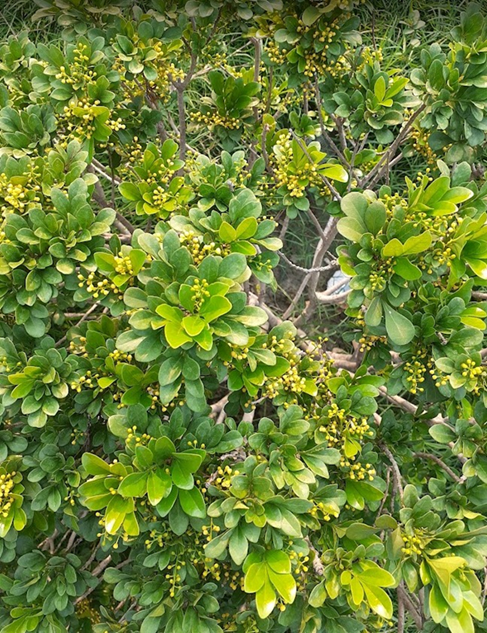
The most horrifying consequence is on the lives of wild animals. Previously, one did not have to make any effort to spot a Phayre’s leaf monkey (Chashmapora Honuman) or a Capped langur (Ultoleji Banor) in these forests. They used to roam around freely, eating fruits. Where are those fruit-bearing trees now? Under the pressure of the forest department’s commercial plantations (like Eucalyptus or Akashmoni), the wild forests of native mango, blackberry, jackfruit, and fig have vanished. As a result, wild animals have left the fruits of the forest and become dependent on the biscuits and potato chips discarded by tourists. Is this not a terrifying evolution?
What is Left for the Next Generation?
We are unable to witness even half of the forest’s original beauty now. And if our tourism culture continues this way—where we only know how to take but do not know how to give back—what will our next generation see?
They might read about deep forests in their textbooks, but in reality, they will only see a few planted rows of trees. They will hear stories of the tiger’s roar, but will not even catch a glimpse of a monkey or a deer inside the forest. Jaflong or the cool water flow of Bholaganj Shada Pathor will become mere rocky deserts to them.
The Silent Wailing of Nature
Every inch of soil in Lawachara, Satchari, Madhabpur, or Bandarban is crying out today. They want tourists not as ‘visitors’, but as ‘friends’. Nature wants that when you go there, your footprints should not leave behind signs of destruction, but instead sow the seeds of creation.
What we have lost might not be recovered completely, but if we do not stand by the forest with a handful of seeds today, even what remains will vanish forever. The only key to reclaiming our ‘Lost Paradise’ is now in our hands, within our handful of seeds.
The only question is—
Do we want to win back this lost paradise?
Or do we want to leave it behind only in the pages of memory? The answer lies in our hands.