Nature is not an inanimate object; nature is a living entity. When we step into the deep forests of Lawachara, listen to the chirping of crickets in Satchari, or immerse ourselves in the crystal-clear waters of Jaflong, we do not go merely as tourists; rather, we enter a supreme sanctuary of nature. Nature welcomes its guests with ultimate affection. But the question is—what are we giving back to nature in return for what it gives us?
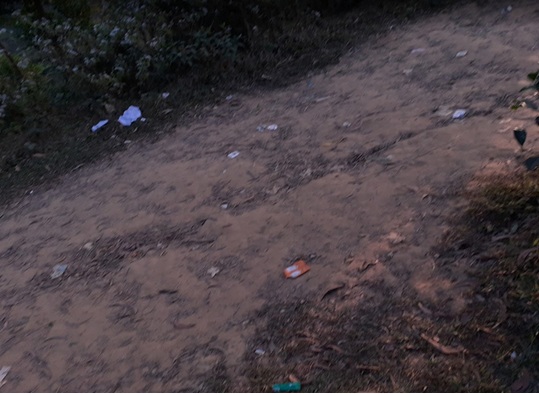
Over the past few decades, the scenario of our tourist spots has changed drastically. The forests that were once covered in dense shade are now filled with human clamor and plastic waste. We are unable to leave behind even half of the green world for our children that our fathers and uncles grew up seeing. Wildlife is losing its food sources, straying into human settlements, and dying brutally. We are the ones responsible for this imbalance. Yet, consciously or subconsciously, we constantly shift the blame from one to another and comfort ourselves with complacency. But even if we want to, we cannot escape the accountability of our conscience.
Many natural places in Bangladesh, such as Lawachara National Park, Satchari National Park, Madhabkunda Waterfall, Jaflong, Bandarban, and Rangamati—which were once teeming with biodiversity—now clearly bear the signs of various pressures and neglect. We have lost much of the rich nature that our previous generation witnessed; and if this trend continues, our next generation might only find that nature within the pages of books.
The “Nature’s Demand” (Prokritir Dabi) movement was born from this very reality. It is not just an environmental initiative, but a moral calling—a revival of our sense of responsibility toward nature. The core philosophy of this movement is very simple: to give back at least a small fraction of what we take from nature.
One small act—a handful of seeds. One simple habit—leaving something behind for nature while traveling. This tiny initiative can gradually trigger a massive change. When thousands of people do this together, it will not only grow trees but will give birth to a new consciousness—the consciousness of responsible travel and nature conservation.
“Nature’s Demand” is not just the name of a movement; it is a silent revolution. It is not a complex theoretical solution, but rather an effort to repay a small installment of our inherent debt to the soil. The core philosophy of this movement is extremely simple—when you go to witness the beauty of nature, carry with you a handful of life’s pulse or a handful of native fruit seeds as a gift for it.
We want every tourist to scatter those seeds of their choice deep within the forest or along the entry paths. Nature, with its own inherent affection, will germinate and nurture those seeds, and one day they will transform into massive trees. Those trees will become sanctuaries for wildlife, the chirping grounds for birds, and a source of pure oxygen for future generations.
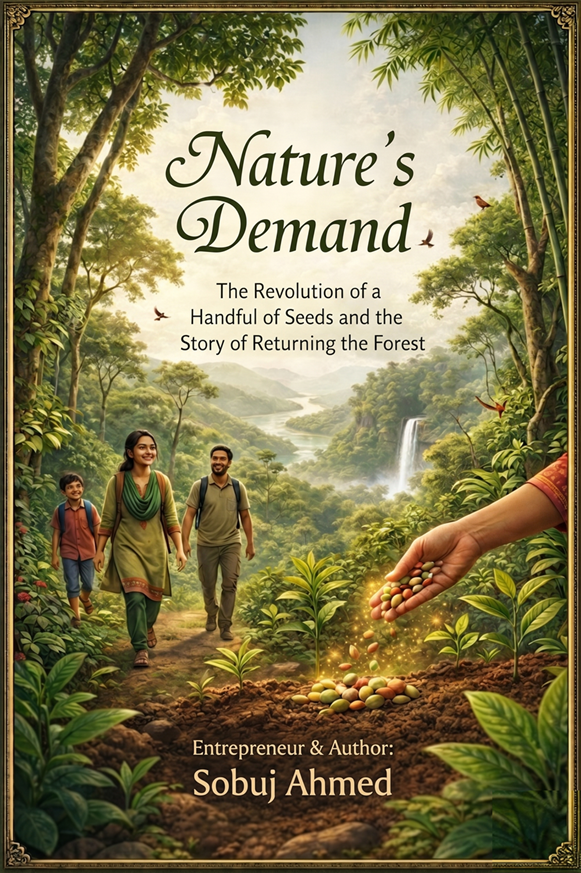
This book is a documentary blueprint of that very philosophy. It records why we need this initiative, how a tiny seed can transform a vast ecosystem, and how we can utilize the ‘selfie culture’ of the digital era for the restoration of nature. Let us all come together to restore this lost claim of nature. Because our very existence will survive only if nature survives.